VALORANT: Tactical 5v5 Shooter & Competitive Action
1. What is VALORANT?
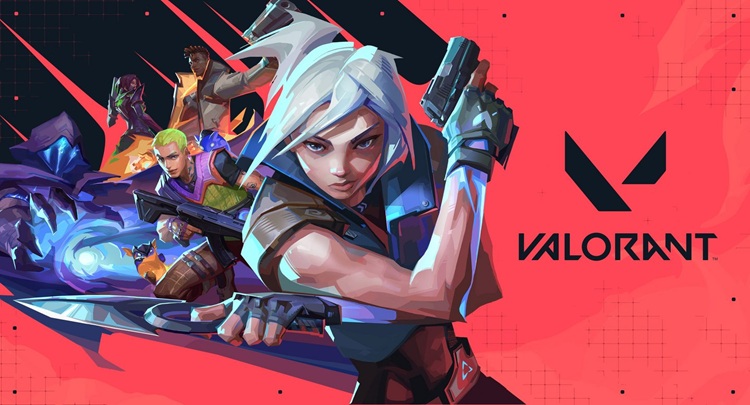
VALORANT is a 5v5 character-based tactical shooter developed by Riot Games. Players attack and defend across rounds while combining precise gunplay with Agent abilities.
Core Features
- 5v5 tactical matches
- Unique Agents and abilities
- Competitive and Unranked modes
- Deathmatch and Spike Rush
- Team-based strategy
Why It Stands Out
The game combines traditional tactical shooting with character-specific abilities, creating different strategic possibilities for each match.
2. Why VALORANT is a Popular Game
VALORANT focuses on competitive team play, tactical decision-making, and precise shooting.
Reasons Players Enjoy It
- Tactical 5v5 gameplay
- Diverse Agent abilities
- Competitive progression
- Multiple game modes
Competitive Appeal
Players can practice their mechanics, learn team strategies, and compete in ranked matches.
3. Basic Shooting Mechanics
Understanding shooting fundamentals is important for consistent performance.
Essential Mechanics
- Crosshair placement
- Recoil control
- Movement discipline
- Weapon selection
Common Mistakes
Shooting while moving unnecessarily
- Poor crosshair placement
- Taking unfavorable engagements
4. Understanding Agents
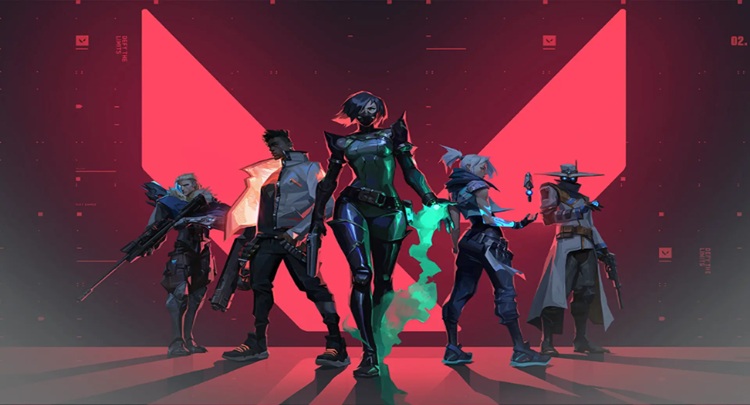
Each Agent has abilities designed around a specific role and playstyle.
Agent Roles
- Duelist
- Controller
- Sentinel
- Initiator
Learning Tips
Start by understanding one Agent's abilities before expanding your Agent pool. Riot describes these roles around different offensive, defensive, information-gathering, and battlefield-control functions.
5. Beginner How To Tips
New players should focus on fundamentals before trying complicated strategies.
Beginner Tips
- Practice aiming regularly
- Learn basic map layouts
- Understand your Agent's abilities
- Communicate with teammates
Building Confidence
Consistent practice helps players become more familiar with weapons, abilities, maps, and round objectives.
6. Intermediate Strategies
Once the fundamentals are established, players can focus on improving their tactical decisions.
Key Strategies
- Coordinate utility with teammates
- Manage economy carefully
- Understand attack and defense timing
- Adapt to opponents
Team Coordination
Successful rounds often depend on combining individual mechanics with coordinated team decisions.
7. Advanced Tactical Techniques
Experienced players can combine mechanical skill with deeper tactical planning.
Advanced Concepts
- Utility timing
- Site execution
- Retake coordination
- Positioning and trading
Competitive Mindset
Reading the opponent's strategy and adapting during a match can become increasingly important at higher levels.
8. Maps and Map Strategy
VALORANT maps are designed around tactical positioning, team strategies, and different combat situations.
Map Elements
- Bomb sites
- Choke points
- Defensive positions
- Rotation routes
Map Learning Tips
Learn common angles, entry routes, rotation paths, and important utility locations for the maps you play most frequently.
9. Competitive and Other Game Modes
VALORANT offers several ways to play, including Competitive, Unranked, Deathmatch, and Spike Rush.
Mode Benefits
- Competitive for ranked progression
- Unranked for standard matches
- Deathmatch for combat practice
- Spike Rush for faster matches
Competitive Preparation
Players can use less competitive modes to practice mechanics and become familiar with Agents and maps.
10. Why VALORANT Continues to Evolve
VALORANT receives ongoing updates involving maps, Agents, game modes, balance, and other gameplay systems. For example, 2026 updates introduced changes to Agents, the Summit map, and the Retake mode.
Key Strengths
- Tactical 5v5 gameplay
- Unique Agent abilities
- Competitive modes
- Regular game updates
- Diverse maps and strategies
Future Potential
Continued updates and new content allow VALORANT to evolve while maintaining its core combination of tactical shooting and Agent-based abilities.