Mastering Toca Boca World: Advanced Tips & Guides to Unlock True Creative Gameplay
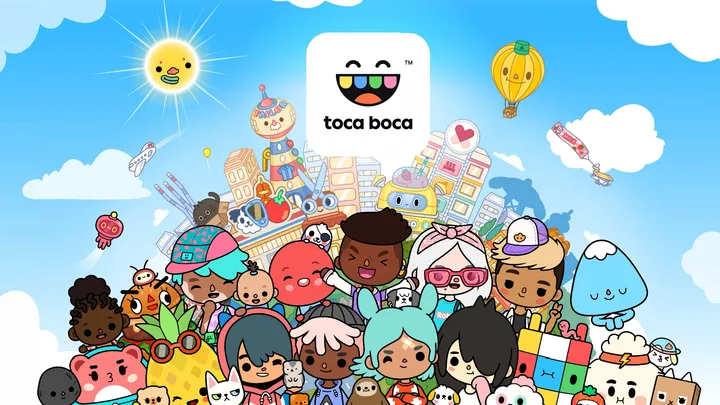
Mastering Toca Boca World: Advanced Tips & Guides to Unlock True Creative Gameplay
Introduction
Toca Boca World is often seen as a simple sandbox game for casual play, but experienced players know there is far more beneath the surface. The game doesn’t provide traditional objectives, which means mastering it requires a different mindset—one focused on creativity, systems thinking, and efficient use of tools. Without guidance, many players fall into repetitive gameplay loops or lose motivation entirely.
This guide is designed to change that. Instead of generic tips, we will break down advanced strategies that help you play smarter, create better stories, and maintain long-term engagement. From early setup to advanced storytelling techniques, this article walks you through a complete progression system that the game itself never teaches.
1. Starting Smart: Building a Strong Foundation
When you first enter Toca Boca World, it’s tempting to explore everything randomly. However, experienced players approach the early stage strategically.
Understanding Core Mechanics
Before creating complex stories, you need to master:
- Character movement and positioning
- Object interaction
- Scene switching
These are the building blocks of everything in the game.
Setting Up Your First World
Instead of spreading out, focus on a single location and build depth.
Starter Tips
- Choose one house or map
- Assign clear roles to characters
- Create a simple daily-life story
This prevents early overwhelm and builds storytelling discipline.
2. Character Management for Efficient Gameplay
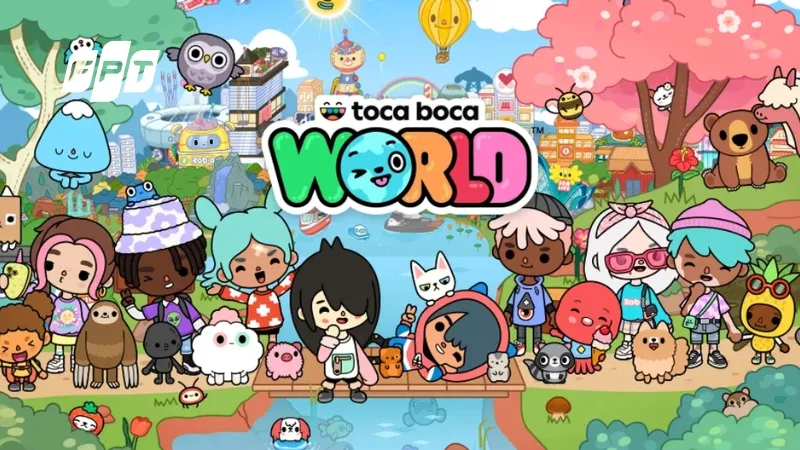
Characters are the heart of your stories, but poor management leads to chaos.
Organizing Characters
Avoid randomly placing characters across maps. Instead:
- Group characters by story role
- Keep unused characters in one location
Role-Based System
Example Roles
- Main character
- Supporting characters
- Background NPCs
This structure makes your stories easier to control and expand.
3. Environment Design That Enhances Storytelling
Most players underestimate how important environments are.
Designing with Purpose
Every room should serve a narrative function:
- Kitchen → daily life
- Office → work drama
- School → social interactions
Layering Details
Advanced Techniques
- Use small props to imply story
- Position items intentionally
- Avoid clutter without meaning
A well-designed environment tells a story even before characters act.
4. Creating Structured Storylines
One of the biggest mistakes players make is playing without a plan.
Basic Story Framework
Use a simple structure:
- Setup
- Conflict
- Resolution
Expanding Complexity
Add Depth With
- Character relationships
- Emotional moments
- Unexpected twists
Even in a sandbox game, structure dramatically improves engagement.
5. Using Props and Items Creatively
Items in Toca Boca World are more flexible than they appear.
Multi-Purpose Usage
Many objects can represent different things depending on context.
Examples
Creative Interpretations
- A box → suitcase
- Food item → gift
- Toy → important object
This expands your creative possibilities without needing new content.
6. Time Management and Session Planning
Long sessions often lead to burnout.
Play With Intent
Instead of endless play:
- Set a goal for each session
- Limit playtime
- Focus on one story
Session Structure
Recommended Flow
- 10 minutes planning
- 20–30 minutes playing
- 5 minutes reviewing
This keeps your creativity fresh and focused.
7. Advanced Storytelling Techniques
Once you master basics, it’s time to level up.
Emotional Storytelling
Good stories are not just events—they evoke feelings.
Techniques
Add Emotion By
- Creating conflicts
- Showing reactions
- Building character arcs
Scene Transitions
Smooth transitions make your stories feel more professional:
- Change locations logically
- Maintain continuity
- Avoid abrupt jumps
8. Avoiding Common Gameplay Mistakes
Even experienced players fall into traps.
Common Issues
- Repeating the same story
- Overloading scenes
- Playing without direction
How to Fix Them
Practical Fixes
- Introduce new scenarios
- Simplify environments
- Plan before playing
Recognizing mistakes is key to improvement.
9. Leveraging Updates and New Content
Toca Boca World frequently adds new content, but using it effectively is another skill.
Smart Integration
Don’t just explore new items—integrate them into your stories.
Strategy
When New Content Drops
- Test all items
- Assign them roles
- Build a new storyline around them
This keeps your gameplay fresh and evolving.
10. Long-Term Engagement Strategies
The biggest challenge in Toca Boca World is staying interested.
Create Personal Challenges
Since the game lacks objectives, create your own:
- Build a long story series
- Limit yourself to certain items
- Try new genres (drama, mystery, etc.)
Build a Creative System
Long-Term Plan
- Weekly story themes
- Character development arcs
- Expanding world design
This transforms the game into a long-term creative project.
11. From Casual Player to Creative Expert
Developing Your Style
Every advanced player eventually develops a unique style:
- Realistic storytelling
- Fantasy worlds
- Comedy scenarios
Continuous Improvement
Growth Checklist
- Try new ideas regularly
- Analyze your past stories
- Challenge your creativity
Mastery in Toca Boca World is not about content—it’s about how you use it.
Conclusion
Toca Boca World is not a game you “complete”—it’s a platform you grow into. Without guidance, many players plateau quickly, repeating simple scenarios and losing interest. However, by applying structured thinking, intentional design, and advanced storytelling techniques, the game becomes a powerful creative tool.
The key is to treat your gameplay like a system rather than random play. Build foundations, manage your characters, design meaningful environments, and continuously challenge yourself. When approached this way, Toca Boca World transforms from a simple sandbox into an endless creative engine that evolves with you.
Summary (110 characters)
Master Toca Boca World with structured play, smart design, and storytelling to avoid burnout and stay creative.